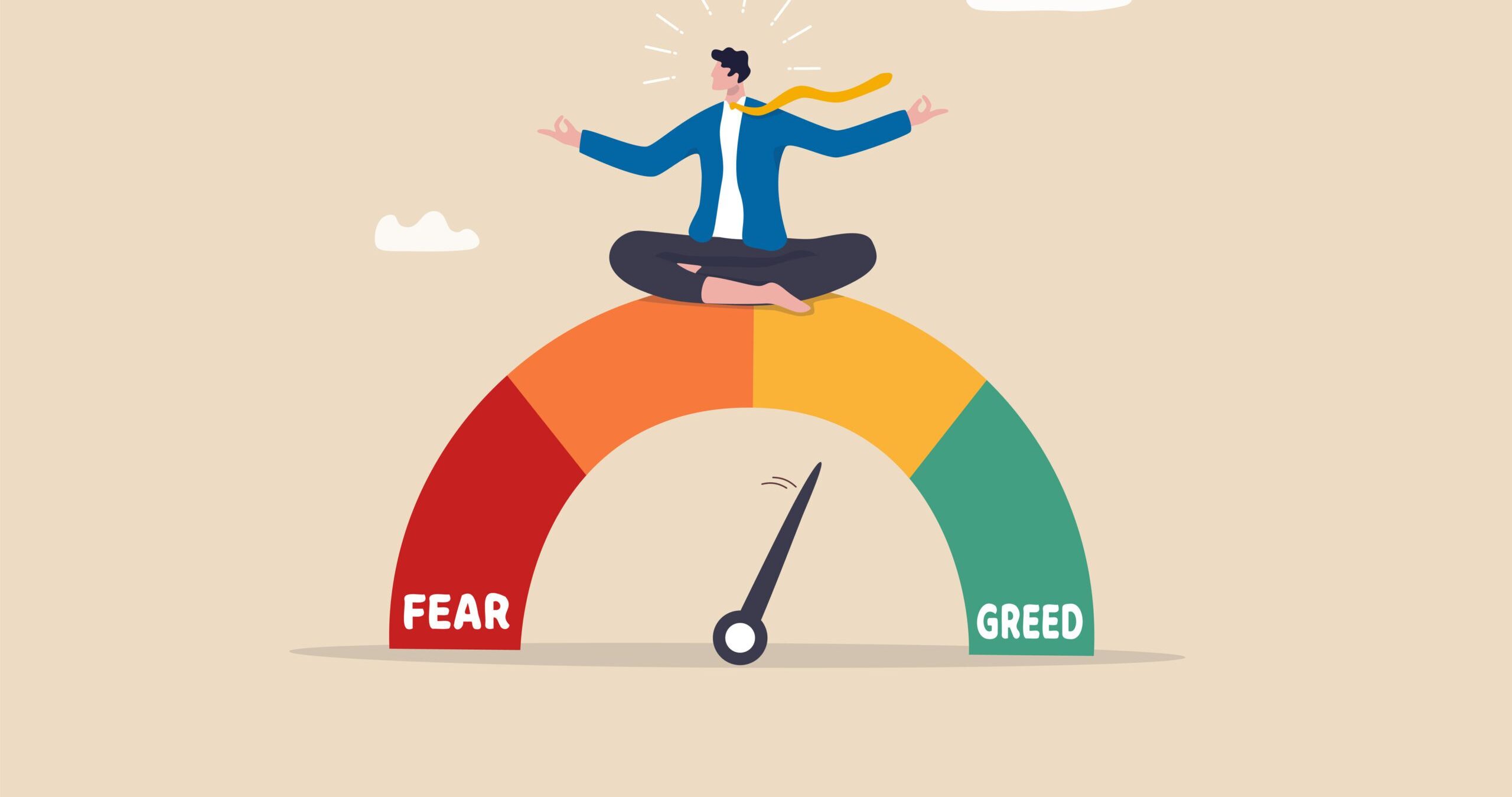
Trading psychology is a critical aspect that can significantly influence a trader’s performance, particularly the emotions of fear and greed. Understanding trading psychology requires an exploration of how these two powerful emotions can impact decision-making processes and lead to both successful and detrimental trading outcomes.
Emotions in Trading
Emotions play a significant role in the decision-making processes of traders. Fear often manifests as anxiety about potential losses, leading to impulsive decisions such as selling at a loss or avoiding trades altogether. Conversely, greed can drive traders to take excessive risks, pursuing larger profits that may not be justified by market conditions. Recognizing and understanding these emotions is essential for maintaining a balanced approach to trading.
The Psychological Framework
The psychological framework of trading involves understanding individual responses to market fluctuations. Fear and greed may surface during volatile market conditions, prompting traders to react rather than analyze. This knee-jerk reaction typically undermines strategic planning and can lead to significant financial losses.
Fear and Greed as Behavioral Drivers
Fear is often a reaction to uncertainty, which is inherent in trading. This emotion can result in missed opportunities and irrational decision-making. Greed, on the other hand, often leads traders to hold onto positions longer than advisable, driven by the desire for maximum profit. Both emotions represent behavioral drivers that require careful management to optimize trading performance.
Conclusion
Understanding trading psychology, particularly the roles of fear and greed, is critical for developing effective trading strategies. By recognizing these emotional influences, traders can work towards cultivating a more disciplined and rational decision-making process.
The Impact of Fear in Trading
Fear significantly influences trading decisions, often leading to impulsive actions that can undermine long-term profitability. Traders experiencing fear may react quickly to sudden market movements, often to their detriment. Understanding the mechanics of fear in trading is essential for developing strategies that mitigate its impact.
One manifestation of fear in trading is risk aversion, where the fear of losing capital leads traders to miss potential opportunities. This behavior is not only detrimental to individual performance but can also distort market dynamics, as an overall market fear can create an environment where prices deviate from their intrinsic value.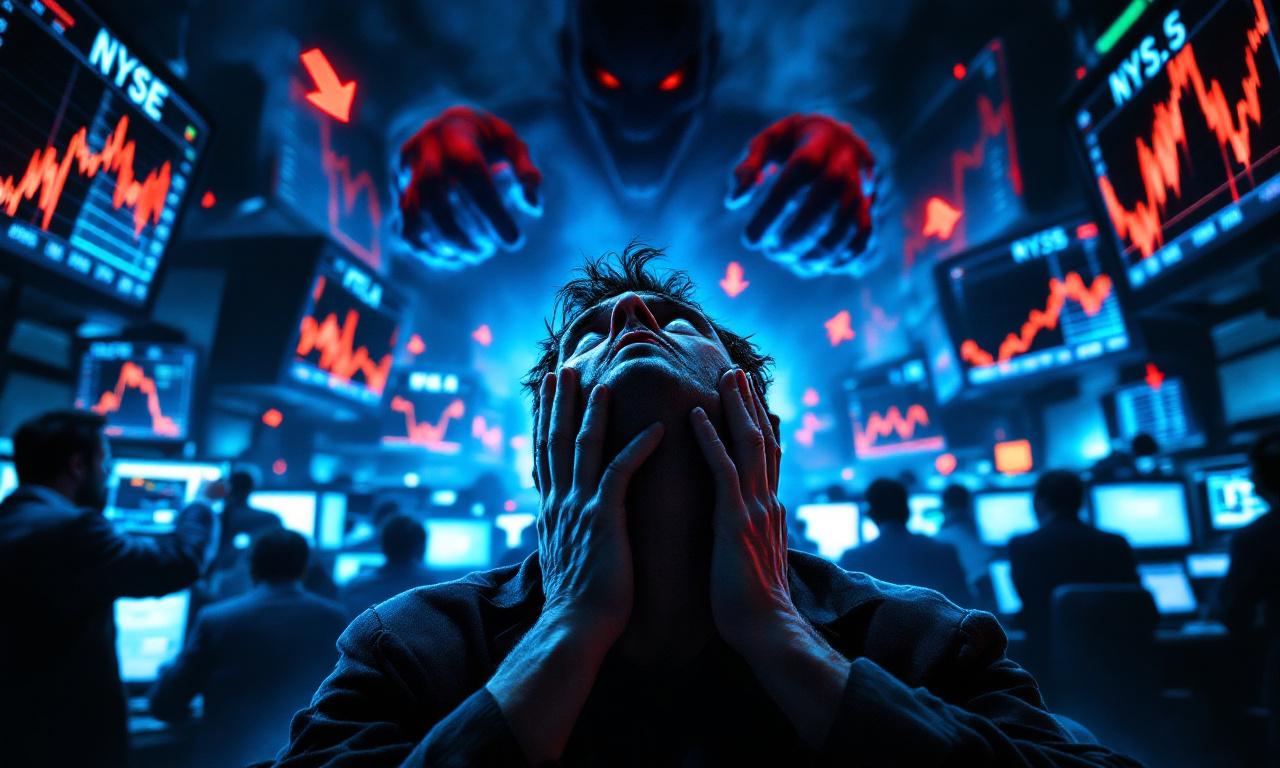
The emotional state of traders can escalate during periods of volatility, leading to panic selling. This collective reaction not only reflects individual fear but reinforces it, creating a feedback loop that can exacerbate market declines. Recognizing the triggers of fear and understanding their psychological roots is crucial for traders seeking to navigate the complexities of the markets.
Panic Selling: Causes and Consequences
Panic selling occurs when traders, overwhelmed by the fear of further losses, decide to sell their assets rapidly without considering the fundamentals. This behavior can stem from several factors, including negative news events, abrupt price declines, or significant market downturns.
When traders sell in a panic, it typically exacerbates price declines, leading to further panic among other market participants and creating a cascade effect. As asset prices drop, fear spreads, prompting even more selling. The consequences of panic selling can be profound, leading to substantial losses for individuals who fail to hold or manage their positions effectively.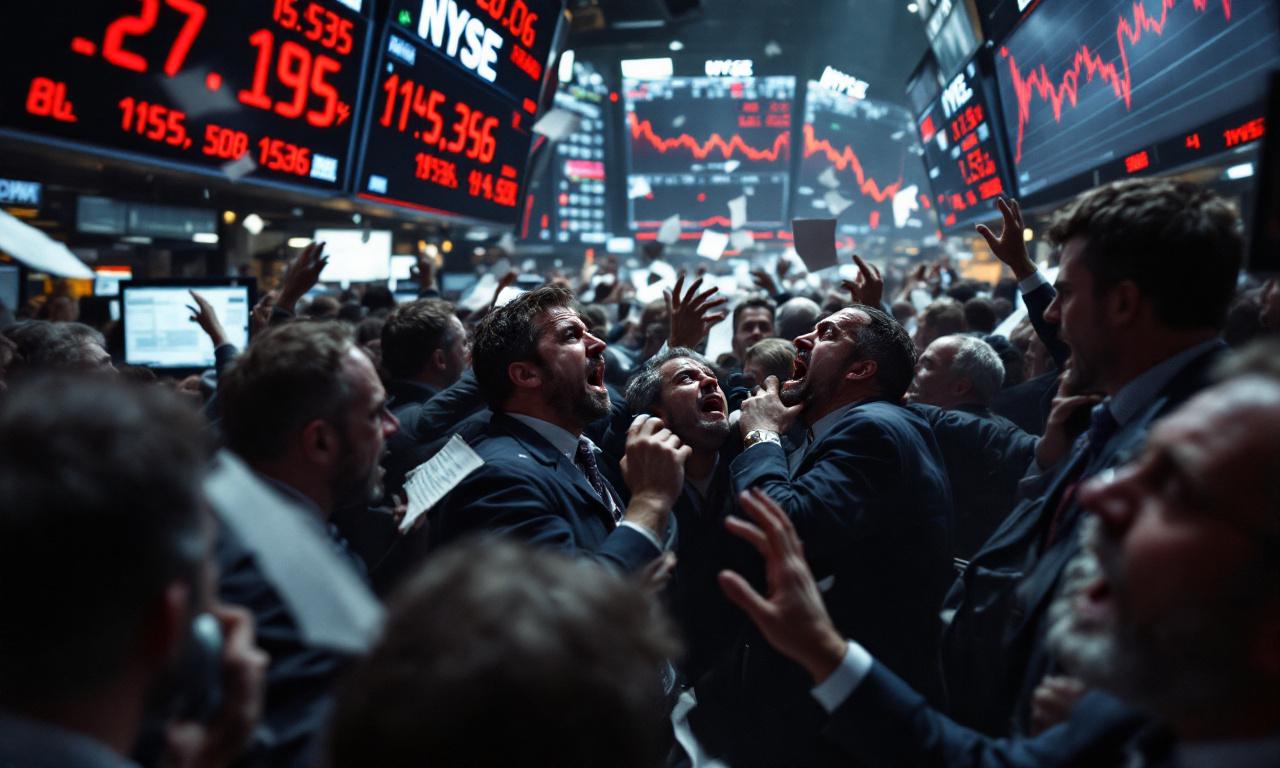
To counter panic selling, it is essential for traders to develop a disciplined approach that includes a trading plan and risk management strategies. This preparation helps create a buffer against emotional reactions to market fluctuations, promoting more rational decision-making during stressful times.
Risk Aversion and Its Implications
Risk aversion significantly influences trading behavior. Traders often exhibit a tendency to avoid risks, which can lead to cautious decision-making. This aversion stems from the fear of losses, causing individuals to miss out on potential gains. The psychological impact of loss is often greater than that of an equivalent gain, resulting in a disproportionate response to risk.
Psychological studies indicate that risk-averse traders may act on impulse rather than analyzing the market rationally. For example, during market downturns, these traders are prone to closing positions prematurely to avoid losses, leading to suboptimal financial outcomes. This behavior can create a cycle where missed opportunities reinforce risk-averse tendencies.
Moreover, risk aversion can hinder portfolio diversification. Traders may fear that diversifying into unfamiliar assets will expose them to additional risks, ultimately stagnating their growth. Understanding this psychological barrier is crucial for developing strategies that promote a balanced approach to risk.
The Role of Greed in Trading
FOMO (Fear of Missing Out) in Trading
FOMO, or Fear of Missing Out, is a psychological phenomenon that significantly impacts trading behavior. It drives traders to act impulsively based on the fear that they will miss potential profits from rising markets. During bullish trends, traders influenced by FOMO may enter positions without proper analysis or strategy, primarily motivated by others’ apparent success. This behavior often leads to buying at peaks, resulting in eventual losses when markets turn.
FOMO can distort rational decision-making, prompting traders to ignore their trading plans in favor of hasty actions. Understanding the triggers for FOMO is crucial. Many traders experience it during market news events, social media speculation, or witnessing rapid price increases. To counteract FOMO, traders can establish clear entry and exit strategies, focusing on their analyses rather than peer behavior.
Complacency and Market Overconfidence
Complacency in trading arises when traders become overconfident in their market understanding or previous successes. This overconfidence leads to the underestimation of risks associated with trades and can result in neglecting thorough analysis. Traders may believe they can predict market movements based on past performance, which can blind them to changing market dynamics.
The danger of complacency is evident during periods of consistent profitability, where traders may increase their position sizes recklessly or shift their strategies without sufficient analysis. This behavior can lead to significant losses in volatile market conditions. Effective risk management practices, such as setting stop-loss orders and diversifying portfolios, are essential to mitigate the risks associated with complacency and maintain a disciplined trading approach.
Strategies to Control Emotions in Trading
Effective emotional control is essential for successful trading. Emotions such as fear and greed can lead to impulsive decisions that undermine trading performance. Implementing structured strategies can help traders manage their psychological state and enhance decision-making.
Developing a Trading Plan
A comprehensive trading plan serves as a roadmap, guiding traders through the complexities of the market. It should outline specific entry and exit strategies, risk management procedures, and criteria for trade evaluation. Having a well-defined plan reduces reliance on emotions during trading, as it allows traders to adhere to predefined rules and minimize impulsive behavior. Regularly reviewing and adjusting the trading plan based on market conditions and personal performance can also reinforce discipline.
Maintaining a Trading Journal
A trading journal is a valuable tool for tracking trades and emotions over time. Recording the rationale behind each trade, including feelings experienced before, during, and after the execution, helps identify patterns that may influence decision-making. Analyzing past trades can uncover emotional triggers—such as fear and greed—that led to specific actions. This reflection allows traders to develop greater self-awareness and mitigate emotional responses in future trades.
Building Emotional Resilience
Enhancing emotional resilience involves developing strategies to cope with market stress and setbacks. Techniques such as mindfulness, meditation, and deep-breathing exercises can help maintain emotional balance. Traders should create a routine that includes breaks and relaxation techniques to prevent burnout and anxiety. By fostering emotional strength, traders can better withstand market fluctuations and avoid knee-jerk reactions that arise from heightened emotions.
Developing a Trading Plan
A well-structured trading plan serves as a roadmap for traders, guiding them through the complexities of the market. It should outline specific goals, entry and exit strategies, risk management procedures, and criteria for selecting trades. These elements ensure that decisions are based on analysis rather than emotional impulses.
Goals should be both realistic and measurable, allowing traders to track their progress. For instance, setting a target return percentage or a specific number of trades to be completed within a timeframe can help maintain focus.
Entry and exit strategies define when to open and close trades, reducing uncertainty during market fluctuations. Clear criteria for entering a position, such as technical indicators or fundamental analysis, can help remove emotional biases. Equally, having pre-defined exit points, including stop-loss and take-profit levels, minimizes the impact of fear and greed.
Risk management is critical; traders should determine the maximum percentage of their capital they are willing to risk on any single trade. Implementing a risk-reward ratio, such as aiming for a reward that is at least double the risk, can enhance profitability while protecting against significant losses.
Lastly, regularly reviewing and adjusting the trading plan is crucial. Market conditions change, and a flexible strategy allows traders to adapt while staying disciplined.
Maintaining a Trading Journal
A trading journal is an effective tool for tracking emotional and behavioral patterns in trading activities. By documenting each trade, including the rationale behind it and the emotions experienced during the decision-making process, traders can identify consistent psychological challenges.
Key elements to include in a trading journal are entry and exit points, trade size, the outcome of the trade, and an analysis of what worked or didn’t work. Associating specific winning or losing trades with emotions like fear or greed can help traders understand how these emotions influence decisions.
Moreover, reviewing past trades allows for the identification of recurring mistakes. This reflection can lead to improved decision-making strategies, ultimately enhancing trading performance. Regularly assessing patterns helps in recognizing the impacts of fear and greed, enabling traders to refine their approach.
Establishing a routine for journaling, such as after every trading session, reinforces accountability and sharpens focus on emotional control, contributing to overall sustainable trading practices.
Building Emotional Resilience
Emotional resilience is crucial for traders, enabling them to manage stress and maintain focus during volatile market situations. Developing this resilience involves several strategies:
- Mindfulness and Meditation: Practicing mindfulness techniques allows traders to remain present, reducing anxiety and enhancing focus. Regular meditation can help in achieving a calm state when making trading decisions.
- Physical Health: Maintaining a healthy lifestyle contributes to emotional well-being. Regular exercise, a nutritious diet, and adequate sleep bolster cognitive function, which is essential during high-pressure trading periods.
- Setting Realistic Expectations: Understanding that losses are a part of trading can prevent emotional overreactions. Setting achievable goals helps in managing expectations and reduces pressure.
- Developing a Support System: Engaging with other traders can provide emotional support. Sharing experiences and strategies can foster a better understanding of both personal and market-related challenges.
By integrating these practices into their routine, traders can enhance their ability to handle emotional turmoil, thereby improving decision-making and increasing overall trading performance.
The Psychology of Trading Emotions
The psychology behind trading emotions significantly influences trading performance. Emotions, particularly fear and greed, act as driving forces behind traders’ decisions. Recognizing and understanding these emotions can lead to more disciplined trading. Key aspects include:
- Emotion Recognition: Identifying specific emotional triggers, such as anxiety before placing a trade or excitement after a profitable move, is vital. This recognition allows traders to implement strategies that mitigate the impact of these emotions.
- Cognitive Bias: Traders often fall into cognitive biases, which distort their judgment. For example, overconfidence can lead to taking excessive risks, while loss aversion can prevent traders from cutting losses timely.
- Emotional Awareness and Regulation: Developing an awareness of emotional responses during trading helps in regulating these feelings. Techniques such as deep breathing or stepping away from screens can assist traders in regaining control.
Ultimately, the ability to manage and understand trading emotions leads to better decision-making and can significantly impact trading success.
Common Emotional Trading Mistakes
Traders often fall into specific emotional pitfalls that hinder their decision-making process. Recognizing these common mistakes is crucial for improving overall trading performance.
- Overtrading: Caused by emotional impulses, overtrading often leads to increased transaction costs and potential losses. This mistake occurs when traders execute too many trades due to excitement or anxiety, rather than following a calculated strategy.
- Holding onto Losing Positions: The inability to cut losses stems from a fear of admitting a mistake. Traders may hold onto a losing trade, hoping the market will reverse, which can result in significant losses as time progresses.
- Chasing Losses: Emotions drive traders to double down on losing positions in an attempt to recover losses quickly. This behavior, fueled by greed and desperation, often results in more losses.
- Ignoring a Trading Plan: Deviating from a pre-established trading plan due to emotional influences can jeopardize investment goals. Traders who make decisions based on emotion rather than analysis may overlook critical market indicators.
- Fear of Missing Out (FOMO): When traders feel pressured to engage in a trade because of market hype, they may ignore their own analysis or risk management principles. This irrational behavior can lead to losses, especially in volatile markets.

Final Thoughts on Trading Psychology
Understanding the emotional aspects of trading is essential for success in the financial markets. By recognizing the influence of fear and greed, traders can take steps to manage their psychology and improve their decision-making processes. Implementing strategies such as developing a comprehensive trading plan, practicing emotional resilience, and regularly reflecting on trading behavior can significantly enhance a trader’s performance. Prioritizing emotional control will lead to better trading outcomes and help to navigate the complexities of market fluctuations.