Trading scams are deceptive practices designed to exploit unsuspecting investors, often leading to substantial financial losses. These scams can take various forms and are frequently executed using sophisticated techniques to create a false sense of security and legitimacy. Recognizing the different types of trading scams is essential for protecting investments and ensuring a safe trading environment.
Understanding Trading Scams
At their core, trading scams typically involve fraudulent schemes that promise high returns on investments with minimal risk. These scams often target individuals who lack experience or knowledge in trading, preying on their desire for quick financial success. Characteristics of trading scams may include promises of guaranteed returns, pressure tactics to invest quickly, and lack of transparency regarding operations. Understanding these features can help investors remain vigilant against potential threats in the market.
Common Types of Trading Scams
Several prevalent types of trading scams exist, each utilizing different methods to deceive investors. The most notable types include:
- Pump and Dump Schemes: These involve artificially inflating the price of a stock through misleading publicity to attract investors, only for the scammers to sell off their holdings at the inflated price, leaving others with significant losses.
- Forex Scams: Fraudulent forex brokers may offer unrealistic returns, misuse client funds, or execute trades without client consent.
- Phishing Scams: Scammers disguise themselves as legitimate brokers through emails or websites designed to steal sensitive information, such as login credentials.
- Binary Options Scams: Offers that guarantee returns on binary options trading often mask a scam, where the platform is rigged to favor the broker.
- Pyramid Schemes: These require investors to recruit new participants and rely on the initiation fees from these recruits rather than legitimate trading profits.
Identifying these scams early can prevent significant financial losses and safeguard investments. Potential investors should conduct thorough research and exercise caution when engaging in trading activities.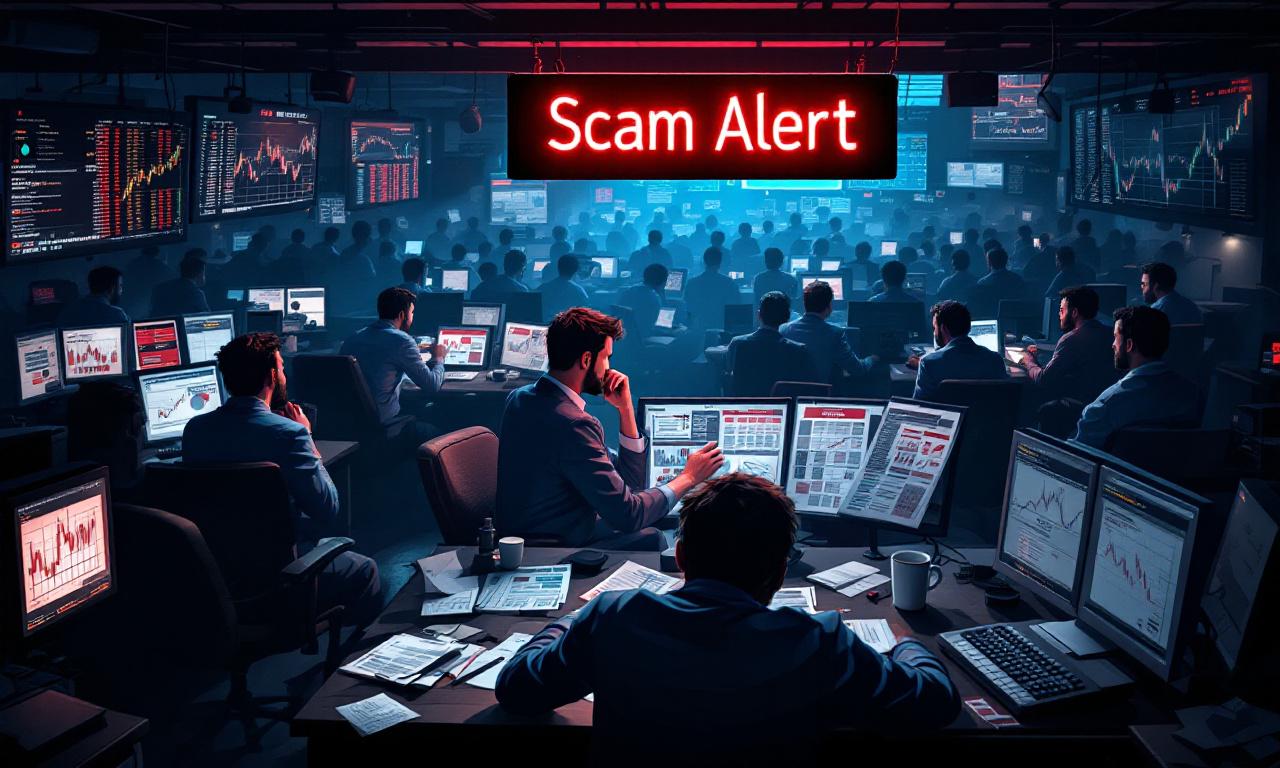
How to Spot Trading Scams
Identifying Warning Signs
Recognizing the warning signs of trading scams is crucial for protecting investments. Several characteristics frequently indicate fraudulent schemes.
- Guaranteed Returns: Promises of significant and guaranteed returns with little to no risk are typically a red flag. Legitimate trading involves risk, and returns can vary widely.
- Lack of Regulation: If a broker or trading platform is not regulated by a recognized authority, it poses a higher risk of being fraudulent. Always verify the regulatory status before trusting a platform.
- Unprofessional Website: Poorly designed websites, misspellings, and vague information can indicate a scam. A legitimate trading platform needs to appear professional and transparent.
- High-Pressure Sales Tactics: If an individual or platform pressures you to invest quickly without giving you sufficient time to think through the investment, it is a likely scam. Scammers often create a sense of urgency.
- Unclear Trading Conditions: If the terms and conditions of trading, including fees and withdrawal policies, are ambiguous or not easily accessible, this is a significant warning sign.
- No Clear Contact Information: Legitimate companies should provide clear contact details, including a physical address and customer service contacts. A lack of this information could indicate a scam.
- Testimonials and Reviews that seem Fake: Real customer reviews are generally balanced and specific. Be cautious of overwhelmingly positive reviews that do not seem credible.
Being alert to these warning signs can help traders avoid scams and make informed decisions. It is essential to conduct thorough research and due diligence before engaging with any trading entity.
Avoiding Trading Scams
Preventing engagement with trading scams requires awareness and proactive measures. Trading scams can lead to significant financial losses and psychological distress. Implementing effective strategies to safeguard against such threats is essential.
Using Regulatory Resources
Regulatory bodies play a critical role in maintaining the integrity of trading markets. Utilizing these resources can help identify legitimate trading platforms and detect potential scams. Here are key steps to follow:
- Check Regulatory Compliance: Ensure that the trading platform is registered with relevant regulatory authorities such as the Securities and Exchange Commission (SEC) or the Commodity Futures Trading Commission (CFTC). These bodies enforce strict regulations on trading activities.
- Review Public Warnings: Keep updated with warnings issued by regulatory authorities regarding known scams or fraudulent firms. These alerts provide valuable information on entities to avoid.
- Utilize Registration Databases: Access online databases to verify the registration status of trading firms. Examples include the FINRA BrokerCheck for U.S.-based firms, which details their regulatory history, past complaints, and more.
- Investigate Licensing: Legitimate brokers should hold licenses in the jurisdictions they operate. Always confirm that the firm’s claims about their licensing status can be verified through official channels.
- Understand Financial Protection Schemes: Familiarize yourself with investor protection programs in your region. These programs safeguard your funds in the event of broker insolvency or fraud.
By leveraging regulatory resources, traders can significantly reduce their likelihood of falling victim to scams and make informed decisions.
Reporting Trading Scams
Reporting trading scams is crucial for protecting oneself and others in the trading community. Individuals who suspect they have encountered a scam should take immediate steps to report it to relevant authorities. The first step is to gather all necessary documentation, including emails, website URLs, and any communication with the suspected scammer. This documentation will be helpful in demonstrating the fraudulent activity.
In many countries, financial regulatory bodies oversee trading practices. For instance, in the United States, the Securities and Exchange Commission (SEC) handles reports of trading fraud, while the Commodity Futures Trading Commission (CFTC) is responsible for futures and options trading. Reports can typically be filed online through the official websites of these organizations, where detailed instructions are provided.
Additionally, scams can be reported to local law enforcement agencies. In cases where financial loss is significant, filing a report with a national consumer protection agency may also be warranted. This action not only aids in potential recovery of lost funds but also helps in the broader fight against financial fraud.
The Role of Technology in Trading Scams
Technology plays a substantial role in the proliferation and detection of trading scams. Scammers often exploit advanced technologies to create sophisticated schemes that can deceive even seasoned traders. The internet provides a platform for scammers to operate under anonymous conditions, making it challenging for victims to trace or confront them.
Phishing schemes are an example of how technology facilitates trading scams. These schemes involve sending fraudulent emails or messages that appear legitimate, luring individuals into revealing personal information or passwords. Additionally, fake trading platforms have emerged, simulating real trading environments with the intent to mislead users. These platforms may use convincing marketing strategies and professional-looking interfaces to attract clientele.
To combat these technological challenges, regulatory bodies and cybersecurity experts continually develop detection tools. Software solutions and algorithms are in place to identify unusual trading patterns and potential scams, while education and awareness programs help traders recognize the warning signs of fraudulent activities. Understanding the technological landscape is essential for traders to safeguard their investments against scams.
Phishing Schemes and Fake Platforms
Phishing schemes and fake platforms represent significant threats in the trading environment. Phishing typically involves scammers masquerading as legitimate entities, using emails, websites, or social media to deceive individuals into providing sensitive information such as login credentials or personal data. These scammers often create website replicas that closely resemble legitimate trading platforms, making it challenging for users to identify the difference.
For instance, a phishing email may instruct the recipient to click a link to verify their account, leading them to a fraudulent site designed to steal their login information. Victims may not realize their credentials have been compromised until unauthorized transactions occur.
To further bolster their legitimacy, scammers may utilize professional language, graphics, and even testimonials on these fake platforms. Therefore, it is crucial to verify any website’s authenticity by checking the URL for misspellings or suspicious domains. Furthermore, users should enable multi-factor authentication when possible to enhance security.
Staying Informed: Resources Against Trading Scams
Remaining informed is a critical defense against trading scams. Regulatory bodies such as the Commodity Futures Trading Commission (CFTC) and the Securities and Exchange Commission (SEC) provide valuable resources and alerts regarding known scams. Subscribing to newsletters or alerts from these organizations can keep traders updated on the latest fraudulent schemes.
Additionally, various financial consumer advocacy groups and forums on trading can be helpful. Websites that aggregate user experiences, such as Trustpilot or Forex Peace Army, allow users to report and discuss their interactions with trading platforms. Monitoring social media for discussions about trading experiences can also provide real-time warnings about emerging scams.
Lastly, online courses and webinars about safe trading practices can enhance understanding and awareness of potential risks, allowing traders to recognize and avoid scams more effectively.
Final Thoughts on Trading Scams
Trading scams represent a significant risk for individuals engaging in various types of trading activities, including forex, stocks, and cryptocurrencies. Awareness of the prevalent scams and understanding their mechanisms can arm traders with the knowledge needed to protect themselves.
It is essential to remain vigilant and critical of investment opportunities that seem too good to be true. High returns with minimal risk are often the hallmarks of fraudulent schemes. Conducting thorough research and due diligence on brokers, trading platforms, and strategies is vital to mitigating these risks.
Utilizing reputable sources and regulatory websites for verification helps in identifying certified and trustworthy trading environments. Regularly updating oneself on new scams and techniques used by fraudsters contributes to a safer trading experience.
Ultimately, the responsibility lies with the traders to educate themselves about the risks associated with trading and to actively seek information that protects them from falling victim to scams.