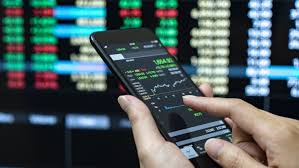
When I first started trading, the idea of using a trading platform was both exciting and intimidating. A trading platform is more than just software. It’s the gateway to the world of trading. This is where you execute trades, analyze markets, and manage your assets. Understanding this essential tool is key to becoming a successful trader.
Understanding the Trading Platform
A trading platform acts as a bridge between you and the markets. It provides the interface for placing trades, accessing market information, and utilizing various trading tools. The overall design and usability of the platform play a significant role in how smoothly your trading experience will go. Even the most skilled traders can feel lost if the interface is cluttered or unintuitive.
Most platforms today are equipped with powerful features such as charting tools, analytical tools, and various order types. These features are essential for developing effective trading strategies. The platform you choose can greatly influence your decision-making process, so it’s crucial to find one that suits your trading style.
Not only do trading platforms vary in features, but they also differ in performance. A well-optimized platform will be fast and responsive. Markets move quickly, and you don’t want to miss an opportunity because the platform is lagging. Look for reviews that highlight platform performance before making your choice.
In summary, a trading platform is not just a means to trade; it’s an integral part of your trading journey. Understanding its functionality and features can set the stage for your success in the markets. In the next sections, we will delve deeper into how a trading platform operates and its core features, helping you gain a comprehensive understanding of what to expect.
How a Trading Platform Works
A trading platform is like a bridge connecting you to the financial markets. Understanding how it works is key to becoming a successful trader. When you think about it, it all revolves around the execution system. Let’s dive into the essentials of this.
When you place a trade, you’re sending your order through this platform to your broker. The broker then forwards it to the market. This process happens in milliseconds. So when you hear people talking about speed being crucial in trading, it’s not just talk; it’s a critical part of the experience.
The interface of a trading platform plays a huge role in this entire process. A good interface allows for quick order placement and management. Features like one-click trading or customizable order types can make a significant difference. Traders want to execute their strategies without unnecessary delays, and a solid interface makes sure of that.
Another important element is the data received from the market. A trading platform provides real-time market data, including price quotes, charts, and news feeds. Having this data at your fingertips allows you to make informed decisions. You want to know the current market conditions before you hit that buy or sell button.
Execution types also vary depending on the platform. This includes market orders, limit orders, and stop-loss orders. Each type plays a specific role in how you enter and exit trades. Knowing how these work can enhance your trading strategy. You might prefer limit orders for precision or go for market orders for speed. The choice depends on your trading style.
Furthermore, many platforms offer features like demo accounts. These allow you to practice without risking real money. It’s a fantastic way to familiarize yourself with the functions of the platform. You can learn how to execute trades and use different tools available without the pressure of real-world trading.
Ultimately, a trading platform is essential in your trading journey. It should not only be functional but also user-friendly. Being aware of its workings can give you a significant advantage in the ever-changing world of trading.
Core Features of Trading Platforms
When diving into the world of trading, understanding the core features of trading platforms is crucial. You want these platforms to be user-friendly and packed with tools that help you make informed decisions. First off, charting tools are a must. They allow you to visualize market trends, making it easier to analyze past performance and predict future movements. Various indicators like moving averages, Bollinger Bands, and RSI can provide additional insights.
Next up is the order execution system. This feature lets you place trades quickly, which is key in a fast-paced market. Whether it’s market orders, limit orders, or stop-loss orders, you need flexibility in executing your trades. Also, don’t forget about real-time data feeds. Having access to up-to-the-minute market information can make or break your trading strategy.
Another essential feature is the suite of risk management tools. Many platforms offer features like alerts or notifications that can signal price movements or other vital data. This ensures you stay on top of your trades without constantly babysitting your devices. Finally, a solid mobile platform enables you to trade on the go. This flexibility can really make a difference, especially if opportunities arise when you’re away from your desk.
Components of Trading Software Platforms
Moving on to the components of trading software platforms, there are several elements that come together to enhance your trading experience. Starting with the user interface. A clean, intuitive interface makes it easy to navigate through different sections of the software. You don’t want to waste time figuring out where to click when the market is ripe for trading.
Next is performance. The speed at which your trading platform operates can significantly impact your trading outcomes. A platform that experiences lag or crashes during high volatility can lead to missed opportunities. This is one reason why many traders test software with a demo account before committing real money.
Another critical component is the integration of analytical tools. Many trading platforms support third-party applications that can amplify your trading capabilities. Whether it’s specialized charting software or automated trading algorithms, integration can enhance what your platform can do.
Lastly, customer support is a significant component. You need reliable support available when you face technical issues or have questions. Many platforms offer extensive resources, including tutorials, FAQs, and live chat. Good customer support can save you time and money when issues arise.
Types of Trading Platforms
When it comes to trading, choosing the right platform can make a world of difference. There are several types out there, each designed to cater to different needs and preferences. Let’s take a closer look at these various types of trading platforms.
Web-Based Trading Platforms
Web-based trading platforms are accessible through a web browser, which means you don’t need to download any software. This type of platform is incredibly easy to use. You can access it from any device with an internet connection. No need to worry about software updates since everything runs on the provider’s servers. They often come with user-friendly interfaces, making them ideal for beginners.
Desktop Trading Platforms
Desktop trading platforms require installation on your computer. They usually offer more features than their web-based counterparts. Because they run directly on your machine, they can handle larger amounts of data and execute trades faster. This makes them a popular choice for experienced traders who need advanced charting tools and various indicators. Desktop platforms also often allow for customization to suit your trading style.
Mobile Trading Platforms
Mobile trading platforms are designed for traders on the go. You can download apps to your smartphone or tablet, allowing you to trade from virtually anywhere. These platforms provide much of the same functionality as web-based and desktop platforms. However, the interface is usually simplified for smaller screens. This means you can quickly react to market changes while out and about, which can be a significant advantage in fast-paced trading environments. Many mobile platforms also send push notifications to keep you updated on market movements.
Managed Trading Platforms
For those who may not want to handle trading themselves, managed trading platforms can be a great solution. Here, a professional or a team manages your account for you. They make trading decisions based on market analysis and your risk tolerance. This type may come with higher fees, but it can be an excellent option for those lacking the time or expertise to trade themselves. It allows you to benefit from trading while leaving the heavy lifting to experts.
Social Trading Platforms
Social trading has gained quite a bit of popularity recently. These platforms allow you to follow and copy the trades of experienced traders. You can see their performance and even interact with them. This type of platform is excellent for beginners who want to learn from the pros. It also allows you to diversify your portfolio without needing to do all the research yourself. All you have to do is choose traders whose strategies you trust.
Each type of trading platform has its strengths and weaknesses. Knowing the options available can help you decide which platform suits your trading style and needs best. Whether you prefer the flexibility of web-based platforms, the power of desktop software, the convenience of mobile trading, or the hands-off approach of managed trades, there’s something for everyone in the trading world.
Desktop vs. Mobile Trading Platforms
When diving into trading, you’ll quickly notice that the platform choice affects your experience. Desktop trading platforms are often robust and packed with features. They provide a detailed interface, which is crucial for analyzing data. You can open multiple charts, watchlists, and news feeds at once without losing track. This makes them great for serious traders who need real-time data at their fingertips.
On the other hand, mobile trading platforms offer flexibility. They allow you to trade on the go, which is a huge plus for those with busy lifestyles. You can check rates, execute trades, and manage your portfolio from anywhere. This convenience often outweighs some features found on a desktop, especially if you need to jump on an opportunity quickly.
There’s also the balance of usability versus features. Desktop versions might have complex tools that can be overwhelming for beginners. Mobile apps, however, often simplify processes, but they might lack some intricate features. If you’re starting out, a mobile app can provide a more user-friendly way to learn the ropes. As you gain experience, switching to a desktop platform could polish your strategies and give you more control.
Choosing the Right Trading Platform for You
Selecting a trading platform shouldn’t be taken lightly. The right choice can enhance your trading experience and make a significant impact on your profits. Start by considering what you need. Are you a beginner who wants user-friendliness or are you an experienced trader seeking advanced tools?
Look into fees as well. Some platforms charge commissions for trades, while others may have hidden fees. Transparency is key, so choose one that clearly outlines all costs involved. Security is another crucial factor. Make sure the platform uses encryption and follows industry standards to protect your data and funds.
Also, think about customer support. When things go wrong, you want to reach out quickly and get help. Platforms that offer 24/7 support can be beneficial, especially if you trade in different time zones.
Lastly, don’t overlook the importance of testing your options. Many platforms offer demo accounts. Use these to explore their features without risking real money. This hands-on experience can be invaluable in making your final decision. Take the time to find the platform that feels right for you, and it can make all the difference in your trading journey.
Key Considerations When Selecting a Platform
Choosing a trading platform requires serious thought. You need to consider a few key factors. First off, look at the fees. Different platforms charge various fees for trades, withdrawals, or even account maintenance. Some platforms are more cost-effective than others. Make sure to analyze the fee structure before opening an account.
Next up is security. Your funds and personal data must be safe. Research the platform’s measures for maintaining security. Look for features like two-factor authentication and data encryption. You want to trade with peace of mind, knowing your information is secure.
Don’t forget about customer support. A platform can have all the bells and whistles, but if something goes wrong, you need help fast. Check the availability of customer service. Is there a live chat option? Or can you only reach them via email? Prioritize platforms offering reliable and timely support.
Finally, consider the platform’s usability. It should be easy to navigate, even if you’re new to trading. A cluttered interface can confuse you and lead to mistakes. Try using the demo version if available. This experience will help you understand the platform better before diving into real trades.
The Future of Trading Platforms
The landscape of trading platforms is evolving quickly. With new technologies emerging, we can expect significant changes. For starters, algorithmic trading is gaining traction. Automated systems analyze market data and execute trades faster than any human could. This makes trading more efficient.
Another exciting advancement is artificial intelligence. Platforms are beginning to incorporate AI to enhance trading strategies. AI can help users identify patterns and trends in data that may not be obvious. This can lead to informed decisions and potentially higher profits.
Moreover, user experience is at the forefront of development. Future platforms will focus on personalization and customization. We might see interfaces that adapt to each trader’s preferences automatically. This increases usability and makes trading feel more intuitive.
As regulations also tighten in the trading space, platforms will need to comply with new laws. This could influence the features and services they offer. Adapting to these changes will be crucial for the longevity of a trading platform.
In conclusion, the future of trading platforms looks fascinating. With advancements in technology and user experience, we’ll have more powerful and user-friendly options at our fingertips.
Advancements in Trading Technology
Trading technology has come a long way. Each year, we see new advancements that make trading more efficient and accessible. One of the most exciting developments is algorithmic trading. This is where computers make trades based on predefined criteria. It allows for faster execution and can even take human emotion out of the equation. Algorithms analyze vast amounts of data in no time, identifying patterns that might be missed by an individual trader.
Artificial intelligence is another area that’s gaining traction. AI systems can learn from past trades and adapt to market changes, improving over time. Imagine a platform that not only executes trades but also adjusts strategies based on market conditions. This creates a personalized trading experience that’s hard to beat.
Additionally, the rise of mobile trading platforms means that we can trade from anywhere. No more being tied to a desk. Now, whether at a café or on a bus, we can buy and sell assets with just a few taps. This flexibility is a game changer for many traders.
Moreover, enhanced security measures are coming into play. With the rise of cyber threats, trading platforms are prioritizing user security. Biometric authentication and advanced encryption technologies are becoming standard practices. Safety is vital when it comes to trading, and technology is paving the way for a more secure environment.
There’s also a growing emphasis on user-friendly interfaces. Trading platforms aim to cater to everyone, from beginners to experienced traders. A clean and intuitive design makes it easier to navigate and utilize all the features available. This is important as a well-designed interface can ultimately impact trading success.
Overall, advancements in trading technology are revolutionizing how we approach the markets. With faster execution, smarter algorithms, improved security, and user-friendly designs, the future looks bright for traders.
Frequently Asked Questions about Trading Platforms
Trading platforms can be a bit overwhelming, especially if you’re just starting out. It’s normal to have questions. Here are some of the most common ones.
- What is a trading platform? A trading platform is software that allows you to buy and sell financial assets. It can be online or installed on your computer.
- Are trading platforms free? Some platforms charge fees for trading, while others might be free but charge spreads. It varies by the broker and the platform.
- Can I use a trading platform on my phone? Yes! Many brokers offer mobile trading apps that you can use to trade on the go.
- How do I choose a trading platform? Look for user-friendly interfaces, necessary features, available assets, and fees. Reading reviews can also help.
- Is my data safe on a trading platform? Most reputable platforms have security measures in place, but it’s always good to check for things like encryption and two-factor authentication.
Understanding these questions can help you navigate your trading journey with more confidence.