Understanding the forex news impact is essential for traders as it directly influences currency valuations and the overall market dynamics. News releases, economic reports, and geopolitical events can trigger significant volatility, ultimately affecting trading outcomes. Being informed about these factors and their implications allows traders to make better decisions in their trading strategies.
Understanding the Forex News Impact
The forex market reacts to various types of news, which can lead to immediate price changes and shifts in market sentiment. Key types of news include economic indicators, geopolitical developments, and significant financial reports. Traders must analyze the potential impact of upcoming news before entering trades, as the announcements can lead to either predictable movements or unexpected market reactions.
For instance, scheduled releases such as non-farm payroll figures, interest rate decisions, and inflation data are crucial. Traders often prepare for these events by studying historical patterns and correlations, recognizing that certain news will likely lead to heightened volatility.
Understanding the implications of forex news impact not only explains the timing of market movements but also assists traders in risk management. Those who actively monitor news cycles can position themselves advantageously to capitalize on potential price fluctuations.
Key Economic Indicators That Influence Forex Markets
Several economic indicators significantly influence forex markets, creating volatility and guiding trader decisions. Features such as Gross Domestic Product (GDP), Consumer Price Index (CPI), employment rates, and interest rates are pivotal in determining the strength of a country’s economy. These indicators reflect economic health and serve as foundations for monetary policy decisions, impacting currency strengths on the foreign exchange market.
- Gross Domestic Product (GDP): GDP measures the overall economic output. Strong GDP growth typically increases a currency’s value as it indicates a robust economy.
- Consumer Price Index (CPI): CPI reflects inflation levels. High inflation can lead central banks to adjust interest rates, thereby impacting currency valuation.
- Employment Data: Metrics such as unemployment rates and job growth provide insight into economic health. Higher employment often correlates with increased consumer spending, bolstering currency strength.
- Interest Rates: Central bank policies and interest rate changes influence investment flows. Rising rates can attract foreign capital, strengthening the local currency.
Traders rely heavily on these indicators to gauge market trends and make informed decisions. An unexpected reading in a key economic indicator can lead to immediate and significant forex market movements, emphasizing the need for traders to stay informed and ready to react to news releases.
The Role of Market Sentiment in Forex Trading
Market sentiment refers to the overall attitude of traders toward a particular currency pair or the forex market as a whole. This sentiment is shaped by various factors, including economic data releases, geopolitical events, and changes in market dynamics. Understanding market sentiment is crucial for making informed trading decisions.
Traders often analyze sentiment through various tools, such as surveys and sentiment indices. The most common indicator is the Commitment of Traders (COT) report, which provides insights into the positions held by different market participants. A heavily biased position could indicate an impending market correction or reversal.
Market psychology plays a significant role in forex trading. For example, positive news regarding economic growth may lead traders to exhibit bullish behavior, driving prices upward. Conversely, negative news or geopolitical tensions may incite fear, resulting in increased selling pressure.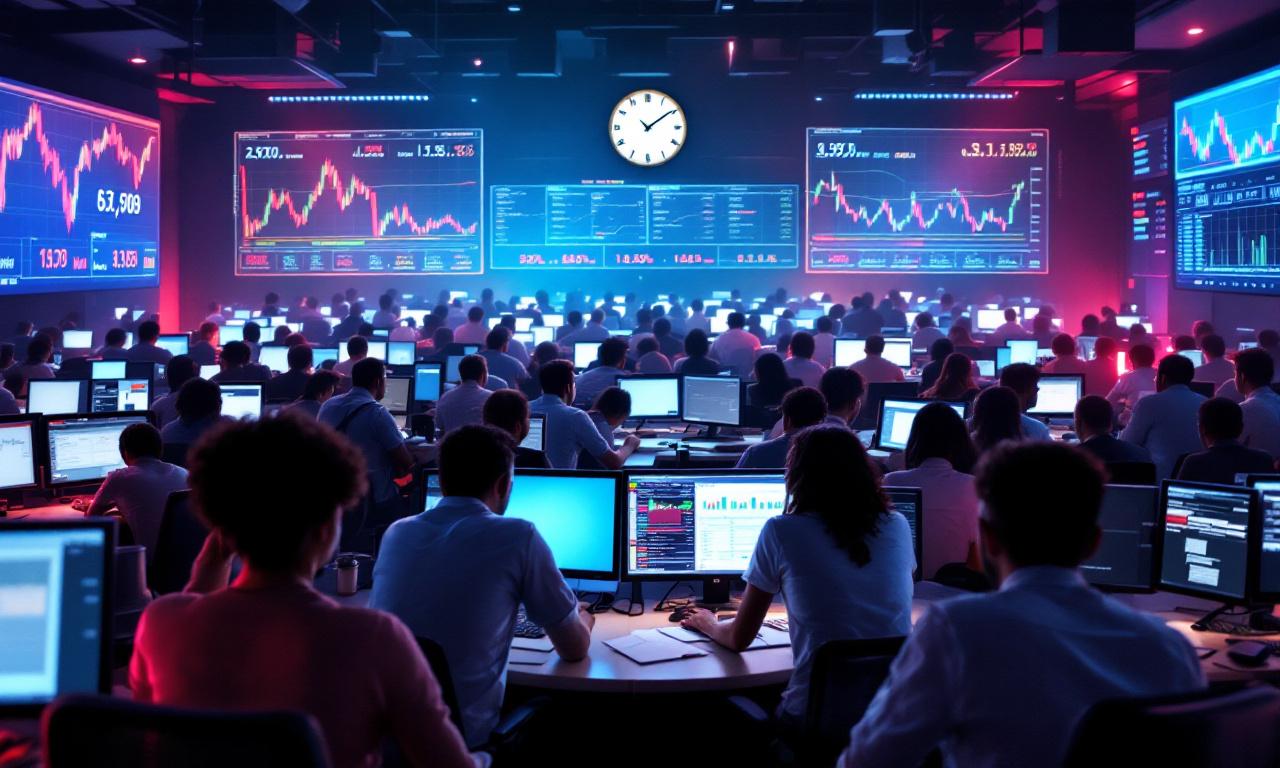
Furthermore, market sentiment can lead to increased volatility, especially around significant news releases. Traders should be cautious during these periods and consider the prevailing sentiment when executing trades.
In summary, understanding market sentiment allows forex traders to anticipate potential price movements and adjust their strategies accordingly.
Trading News Events in Forex
Trading news events is a common strategy among forex traders, capitalizing on the market’s reaction to new information. News events often lead to sharp price movements, providing opportunities for profit. However, this strategy requires careful planning and execution.
Traders should have a clear understanding of which news events affect the forex market. Key events include interest rate announcements, employment statistics, and inflation data. These events are typically scheduled and can be tracked using an economic calendar, which provides information on upcoming releases and their anticipated impact on market volatility.
One effective approach to trading news events is to enter trades shortly before the news release. This requires an understanding of the potential impact of the news and a strategy to manage risk. Traders can also review historical data to see how similar events have influenced price movements in the past.
Managing risk is critical when trading around news events due to the potential for increased volatility. Traders should use stop-loss orders to protect their positions from unexpected price spikes. Additionally, it is wise to avoid over-leveraging, as the rapid market fluctuations can lead to substantial losses.
In conclusion, trading news events can be a profitable strategy for forex traders if approached with a clear plan, understanding of the market’s behavior, and effective risk management techniques.
Using Economic Calendars for Trading
Economic calendars are essential tools for forex traders, providing crucial information about upcoming economic events and data releases. They outline the schedule of significant economic indicators, including employment rates, inflation figures, and GDP growth data, which can substantially impact currency values. By leveraging economic calendars, traders can anticipate potential market movements associated with these releases.
To effectively use an economic calendar, traders should focus on the following elements:
- Impact Ratings: Most calendars provide impact ratings for each event, typically categorized as high, medium, or low. Focusing on high-impact events is crucial, as these tend to generate significant market volatility.
- Previous Values: Review previous data for each indicator to gauge market expectations and sentiment. Compare the forecasted figures with the actual results to understand market reactions.
- Time Zones: Be aware of time zones when scheduling trades around economic news. Economic calendars should display times adjusted to local trading hours to avoid missing critical events.
- Consensus Forecasts: Pay attention to consensus forecasts provided by economists and analysts. These can guide traders on market expectations and potential price movements post-release.
Incorporating economic calendars into trading strategies allows forex traders to prepare for potential market reactions and align their trades accordingly.
Managing Risk During Volatile News Releases
Trading during volatile news releases presents heightened risks due to rapid price movement and potential slippage. To protect against these risks, traders should implement effective risk management strategies.
Consider the following approaches:
- Set Tight Stop-Loss Orders: Place stop-loss orders close to entry points to limit potential losses. Given the volatility surrounding news releases, adjustments may be necessary during highly unpredictable market conditions.
- Position Sizing: Adjust position sizes according to the volatility of the currency pair being traded. Reducing position sizes during high-impact news can help mitigate risks while still allowing participation in potential price movements.
- Avoid Trading Right Before Major Releases: It may be prudent to avoid entering new positions just before significant news announcements, as prices can fluctuate dramatically just prior to the release.
- Utilize Limit Orders: When possible, use limit orders to control entry points during high volatility scenarios. These orders can help manage risk by specifying prices at which trades should be executed, avoiding sudden adverse price movements.
Implementing these risk management techniques enables traders to navigate the challenges posed by volatile news releases more effectively, thereby protecting their trading capital.
Geopolitical Events and Their Impact on Forex Markets
Geopolitical events significantly influence currency prices and, therefore, affect Forex markets. Factors such as wars, elections, trade negotiations, and diplomatic relations can create substantial volatility. Traders must stay informed about international news that may disrupt markets, as these events can lead to rapid price shifts and increased trading activity.
When a geopolitical crisis emerges, the market often reacts swiftly. Safe-haven currencies, such as the US dollar, Swiss franc, and Japanese yen, typically strengthen during periods of uncertainty. Conversely, currencies from countries experiencing turmoil may depreciate. Understanding these dynamics allows traders to adjust their positions accordingly.
Monitoring headlines and reports from credible news sources is essential for recognizing potential impacts on Forex pairs. An event’s immediate effect may vary based on market perception and existing trends. Hence, anticipating how the market might react to a political development requires careful analysis of the event’s context.
How to Develop a Forex News Trading Strategy
Creating an effective Forex news trading strategy involves several key steps. First, traders should identify the economic indicators and geopolitical events most relevant to their trading style and goals. Economic calendars can be useful tools to track upcoming news releases and their potential impacts.
Next, it is crucial to analyze historical data to understand how specific news events have affected currency pairs in the past. This process, known as backtesting, helps gauge the effectiveness of your strategy by revealing patterns in market reactions to certain news announcements.
Risk management is another fundamental aspect of any news trading strategy. Traders should set predetermined stop-loss and take-profit levels to mitigate potential losses during volatile conditions. Additionally, it may be beneficial to use limit orders to enter trades strategically in anticipation of market swings.
Lastly, maintaining flexibility is vital. Markets can behave unpredictably, and traders must be prepared to adapt their strategies based on evolving conditions surrounding significant news events. Regularly reviewing and adjusting the strategy to reflect changing market environments will enhance its effectiveness.
Backtesting News Trading Strategies
Backtesting is a critical process in developing effective trading strategies, especially in the volatile environment of forex markets. It involves testing a trading strategy using historical data to evaluate its effectiveness before applying it in live trading scenarios. For news trading strategies, backtesting can help identify how different types of news events have impacted currency pairs in the past and allow traders to refine their approaches based on empirical data.
When backtesting news trading strategies, it is important to consider the timing of news releases, the expected market reaction, and the actual outcomes. Traders should gather historical data for significant economic indicators and major geopolitical events that have been known to move the markets. Analyzing this data can provide insights into how currencies reacted relative to the news, which news types led to the most volatility, and what trading strategies yielded positive results.
To conduct effective backtesting, traders can utilize tools and platforms that allow them to simulate trades based on historical data. This process should include setting specific entry and exit criteria based on how a currency tends to react to certain news events. Furthermore, it is recommended to assess the performance of the strategy over multiple timeframes and market conditions to ensure robustness.
The Future of Forex News Impact Analysis
The analysis of news impact on forex trading is expected to evolve with advancements in technology and data analytics. Machine learning and artificial intelligence are increasingly being integrated into trading platforms, providing traders with tools to better predict market reactions to news events. These technologies can analyze vast amounts of data faster and more accurately than traditional methods, enabling traders to make informed decisions in real time.
Additionally, as global markets become more interconnected, the influence of geopolitical events and economic data from various regions may have a broader impact on currency movements. Traders will need to remain vigilant, adapting their strategies to incorporate not only local news but also international developments that could affect market sentiment.
In summary, the future of forex news impact analysis will likely focus on integrating advanced technologies with real-time data analysis, improving traders’ ability to navigate the complexities of market responses to news. Continuous learning and adaptation will be essential for traders to leverage these developments effectively.
Conclusion and Key Takeaways
The impact of news on the forex market is significant and multifaceted. Economic indicators, geopolitical events, and market sentiment drive currency price movements. Understanding these elements allows traders to make informed decisions and develop effective trading strategies.
Key economic indicators such as employment rates, inflation figures, and GDP growth provide insight into a country’s economic health and influence currency valuations. Traders should monitor these indicators regularly to anticipate market reactions and adjust their positions accordingly.
Market sentiment plays a crucial role in shaping trader reactions to news events. Emotional responses can lead to increased volatility, making it essential for traders to remain objective and analytical in their decision-making processes.
When trading during news events, using economic calendars can help traders track important releases and their expected impacts. Adept risk management strategies should also be applied during volatile periods to protect against adverse price movements.
In summary, successful forex trading requires a comprehensive understanding of how news affects the market. Continuous learning, adaptation, and strategic planning are vital for navigating the complexities of forex trading in relation to current events.