When it comes to forex trading, understanding interest rates forex is crucial. These rates not only influence the dynamics of the economy but also govern how currencies move against each other. For traders, keeping an eye on interest rates can mean the difference between making a profit and incurring a loss.
The Importance of Interest Rates in Forex Trading
Interest rates play a pivotal role in forex trading. They determine the cost of borrowing money. A country with a higher interest rate generally attracts more foreign capital. This influx can boost the value of that country’s currency. Conversely, low-interest rates can lead to depreciation. Traders should always be aware of the rates set by central banks. Changes in these rates can create volatility in the forex market.
Interest rates impact economic growth. When rates rise, borrowing slows down. Consumers and businesses may cut back on spending. This can lead to slower economic growth and weaker currency. On the flip side, lower rates encourage borrowing and spending. This often leads to a stronger economy and a stronger currency. Therefore, understanding these trends is essential for successful trading.
To give an example, if the Federal Reserve raises interest rates, it often results in a stronger US dollar. Traders who forecast this move can benefit significantly. They can choose to buy dollars before the rate increase. This strategy takes advantage of the anticipated rise in currency value.
How Interest Rates Forex Affect Currency Movements
Interest rates forex significantly influence currency movements. They are one of the primary drivers of forex rates. The relationship between interest rates and currency values is intertwined. A rise in interest rates tends to strengthen a currency. Likewise, a drop can weaken it. Movement often reflects the market’s expectation of future rates.
Consider this: if traders anticipate that a country’s central bank will raise interest rates, they may buy that currency in advance. This anticipation drives up demand, pushing the currency’s value higher. It’s essential to look at both current and expected future rates. Market perception often moves faster than actual changes.
Another factor is interest rate differentials. This refers to the difference between the interest rates of two countries. A larger differential usually leads to increased capital flows into a currency. Traders watch these differentials closely. They predict which currencies will appreciate or depreciate based on rate movements.
In conclusion, understanding how interest rates forex affect currency movements aids traders in making informed decisions. Monitoring current trends and future expectations is vital. By doing so, traders can align their strategies with market movements, enhancing their chances for success.
Central Bank Interest Rates Forex: The Key Players
Central banks are the giants of the Forex world. They control interest rates and, in turn, influence currency values. When a central bank makes a decision about interest rates, it sends ripples through the market. Traders pay close attention to these decisions because they can signal the future direction of a currency.
Take the Federal Reserve in the United States, for instance. When they raise interest rates, it usually strengthens the US dollar. Investors want to get a better return on their investments, so they flock to currencies with higher yields. This is why the Fed’s meetings are closely monitored by Forex traders. They are looking for hints on future rate changes that could impact the market.
In contrast, if a central bank decides to cut rates, it can weaken the currency. For example, when the European Central Bank cuts rates, the euro often falls in value. Traders react quickly, moving their money to currencies that offer better interest rates. Understanding how these key players operate is crucial for anyone looking to trade Forex.
Interest Rate Impact on Currency Valuation
The relationship between interest rates and currency valuation is intricate yet fascinating. When you think about it, higher interest rates offer lenders in an economy a higher return relative to other countries. This tends to attract foreign capital and cause the exchange rate to rise. On the other hand, when interest rates are low, it can lead to depreciation of the currency.
For example, let’s say the Bank of England raises rates. Suddenly, the British pound becomes more attractive to investors. They want a piece of that higher yield. This increased demand for pounds can boost its value against other currencies. Conversely, if the Bank of Japan lowers rates, the yen might depreciate as investors seek better returns elsewhere.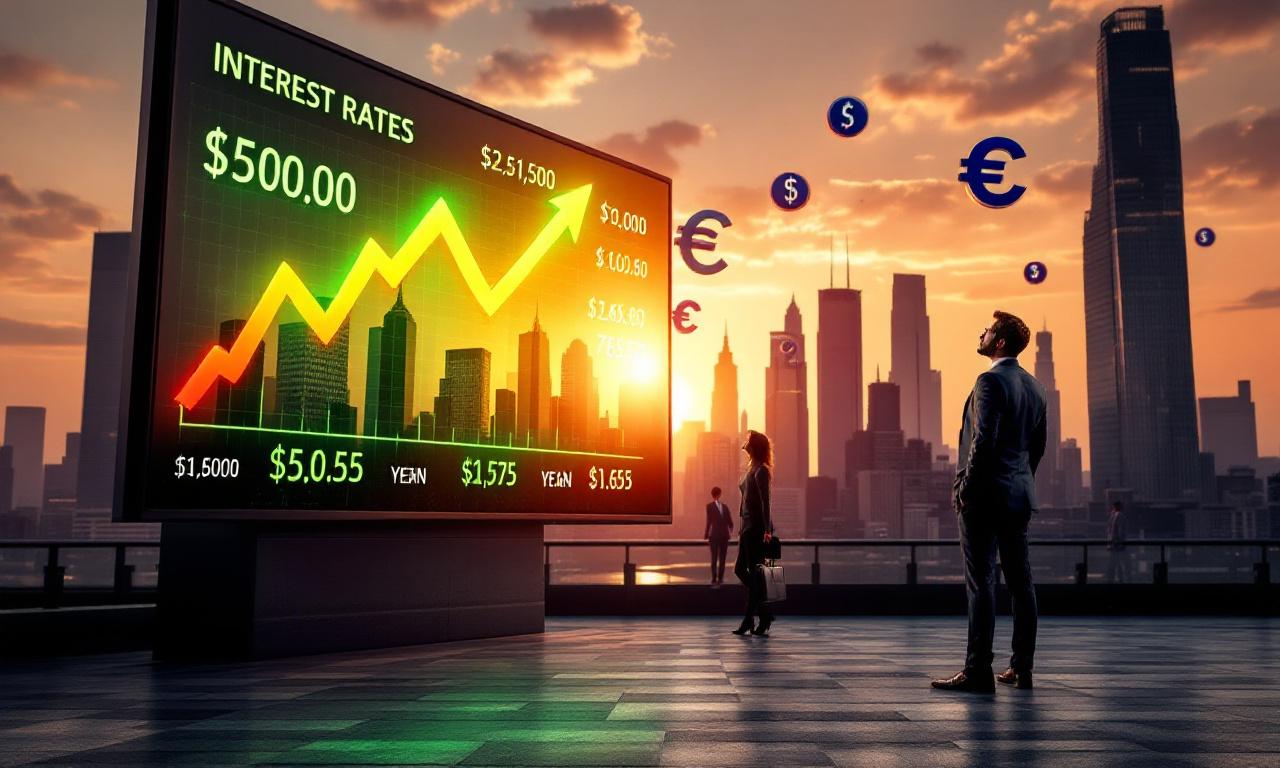
Another thing to consider is inflation. Central banks often adjust interest rates to control inflation. If inflation is high, central banks may increase rates to cool down the economy. This can have a positive effect on the currency’s value. Traders must keep an eye on inflation trends, as they set the tone for future interest rate movements and, by extension, currency valuations.
In short, the connection between interest rates and currency valuation cannot be overlooked. It is one of the foundational concepts in Forex trading. Understanding it can give you a clearer picture of the market and help you make informed trading decisions.
Understanding Interest Rate Differentials
Interest rate differentials are a huge part of forex trading. They refer to the difference between the interest rates of two currencies. When one currency has a higher interest rate than another, it usually leads traders to favor that currency. The logic is simple. Traders want to earn more from their investments. If currency A has a higher yield compared to currency B, people are likely to borrow currency B to invest in currency A.
These differentials play a role in currency pair movements. For example, if the interest rate for the Euro increases while the US dollar remains steady, the euro could strengthen against the dollar. Traders often look closely at these differentials when making their decisions. They gauge which currencies might perform better.
Understanding these differentials is also critical when planning trades. If you’re aware that interest rates will change in one of the currencies involved, you can position yourself to take advantage of those changes. This knowledge could lead to better gains in your trading strategy.
The Monetary Policy Forex Connection
Monetary policy heavily influences interest rates. Central banks use it to manage the economy. By adjusting interest rates, they can control inflation, stabilize currency, and promote economic growth. As a trader, keeping an eye on monetary policy is key.
When a central bank decides to hike or cut interest rates, it sends a signal to the market. A rate hike typically strengthens the currency because higher rates offer better returns on investments. On the other hand, a rate cut can weaken a currency.
For example, if the Federal Reserve raises rates, many investors might flock to the dollar for better yields. This creates upward pressure on the dollar’s value against other currencies. Understanding these connections can help you anticipate market movements based on policy announcements.
In summary, knowing how monetary policy ties into forex trading gives you a significant edge. By analyzing these policies and their impact on interest rates, you can make informed decisions that align with market trends.
Impact of Interest Rate Hikes and Cuts
Interest rates influence the forex market significantly. When a central bank raises interest rates, it often strengthens the currency. Why? Higher rates mean better returns on investments denominated in that currency. Traders flock to it, increasing demand. A strong currency usually correlates with economic stability.
Conversely, when a central bank cuts interest rates, the currency might weaken. Lower rates reduce the yield on investments. This discourages foreign investment as returns diminish. A weaker currency can boost exports, as goods become cheaper for foreigners. However, it can also lead to increased inflation.
Understanding this dynamic helps traders gauge market sentiment. It’s not just about the rate change itself. It’s also about what it signals for the economy. For example, a surprise hike might indicate that the economy is outperforming expectations. Traders may react swiftly, leading to volatility.
Strategies for Trading Based on Interest Rates
Creating a strategy around interest rates can enhance trading success. One approach is to stay informed about upcoming announcements from central banks. These announcements often lead to significant price movements.
Another effective strategy involves focusing on interest rate differentials. This refers to the difference between two currencies’ interest rates. Traders often buy the currency with the higher rate and sell the one with the lower rate. It’s all about capitalizing on those differentials.
Timing your trades is crucial. Entering just before a rate announcement can yield substantial profits if you anticipate the outcome correctly. However, it also carries risks. Markets may react unpredictably.
Consider utilizing stop-loss orders to manage risks better. They help limit losses in case the market moves against you after a rate change.
Keeping an eye on economic indicators is also key. Factors like inflation, employment rates, and GDP growth affect central bank decisions on rates. Understanding these indicators can provide insight into where rates may head next.
Timing Your Trades Around Interest Rate Announcements
Timing is everything in trading, especially when it comes to interest rate announcements. These events can cause significant price swings in the forex market. Understanding how to position yourself around these announcements can make all the difference in your trading strategy.
When central banks announce changes to interest rates, the market reacts almost instantly. Traders who anticipate these changes can benefit from lucrative opportunities. It’s not just about the interest rate itself; the accompanying commentary can have a major impact as well. The tone of the statement, hints about future policy changes, and even the overall economic context play crucial roles.
Many traders adopt a strategy focused on entering positions just before the announcement. This can be risky, as volatility tends to increase leading up to these events. Alternatively, waiting to see how the market reacts can be a safer, albeit less aggressive, approach. Being patient allows you to avoid whipsawing price movements that often follow the initial reaction.
Future Trends in Interest Rates and Forex
Looking ahead, interest rates will likely continue to shape the forex landscape in ways we can barely imagine right now. Economies are evolving, and with that comes shifts in monetary policy. Factors like inflation, employment rates, and geopolitical events will influence how central banks set their rates.
As central banks navigate through the post-pandemic recovery, their decisions will reflect the current economic climate. For instance, if inflation continues to rise, we might see more aggressive rate hikes. On the other hand, economic slowdown could prompt cuts. Understanding these dynamics will be crucial for forex traders.
Another trend to watch is the growing impact of digital currencies. Central banks are exploring digital versions of their currencies, which could change the game entirely. These developments could lead to new interest rate mechanisms that differ from what we currently understand.
In the end, staying informed and adaptable is key. The forex market is always changing, and being aware of interest rate trends will help you make better trading decisions.