Algorithmic trading has transformed the landscape of financial markets in recent years. Many traders, both professional and amateur, now rely on automated trading systems to execute trades swiftly and efficiently. Understanding these systems is crucial if you want to navigate the trading world effectively.
Understanding Automated Trading Systems
Automated trading systems use algorithms to automatically execute trades on behalf of the trader. These algorithms are designed based on specific criteria. For example, they can look for price movements, trends, or patterns in the market. One of the main advantages of these systems is their ability to analyze data much faster than humans ever could. This speed can lead to better execution of trades, which is vital in the fast-paced world of trading.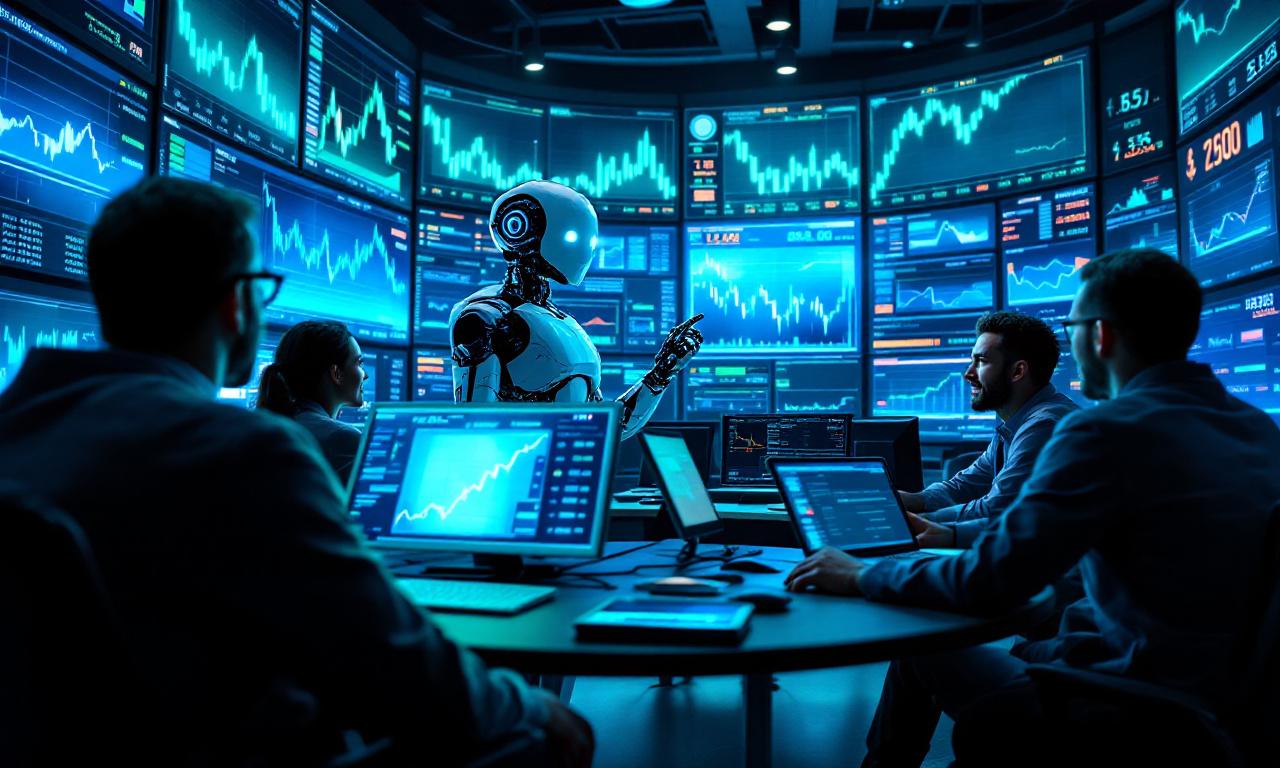
Moreover, automated systems can follow strategies without the emotional interference that often plagues human traders. They take the guesswork out of trading. Instead of hesitating when a trade signal appears, the system acts immediately. This can be particularly beneficial in volatile markets where seconds matter.
Automated trading systems don’t just execute trades; they can also backtest strategies using historical data. Traders can analyze how a certain strategy would have performed in the past before implementing it in real-time trading. This feature is invaluable in refining and optimizing strategies.
In summary, automated trading systems greatly enhance execution and strategy implementation. They help both new and experienced traders by allowing them to trade with precision and efficiency.
What is Algorithmic Trading?
At its core, algorithmic trading refers to the use of complex mathematical models and formulas to make trading decisions. Traders use predefined algorithms to buy or sell stocks automatically. These algorithms can be tailored to specific market conditions or trading strategies.
Many see algorithmic trading as a way to level the playing field. High-frequency trading firms have an edge due to their technology and speed. However, individual traders can harness these same tools to compete. The beauty of algorithmic trading lies in its flexibility. It allows traders to implement strategies that would be challenging or impossible to execute manually.
With algorithmic trading, signals can trigger trades based on various conditions. For example, an algorithm might buy a stock if it falls a certain percentage within a set time frame. Alternatively, it might sell if a stock rises above a specific threshold. This method removes human error and emotions, leading to more disciplined trading strategies.
Furthermore, the rise of technology has made algorithmic trading more accessible than ever. Numerous platforms offer tools to create complex algorithms without requiring extensive knowledge of coding. As a result, those interested in trading can dive into algorithmic strategies with relative ease.
In short, algorithmic trading utilizes algorithms to automate trading decisions. This is changing the way traders approach the markets, making it an essential aspect of modern trading. Those who embrace it can potentially reap significant benefits.
How Trading Bots Work
Trading bots are essentially automated software programs that follow specific algorithms to execute trades. They analyze market data and make decisions based on that data. Imagine having a personal assistant that doesn’t get tired or emotional. That’s what these bots do. They can process vast amounts of information in a matter of seconds, way faster than any human could.
When a bot is designed, it needs a set of rules to follow. These rules can vary widely depending on the strategy the trader wants to implement. Some bots use technical indicators like moving averages or relative strength index. Others might follow a completely different approach, like arbitrage strategies, which take advantage of price differences between markets.
Once the bot is programmed, it continuously scans the market for opportunities to buy or sell. This involves real-time analysis. It looks for patterns or signals that meet its criteria and executes trades without waiting for human confirmation. This leads to quicker reaction times, which can be crucial in volatile markets.
However, it’s not all sunshine and rainbows. Bots are only as good as the algorithms that drive them. If a bot is poorly designed, it could lead to significant losses. Moreover, the market conditions change rapidly, and a strategy that worked yesterday may not work today. Regular updates and adjustments are essential to keep the bot performing well.
Types of Algorithmic Trading Strategies
There are numerous algorithmic trading strategies out there. It’s essential to understand the differences to choose one that works for you. Let’s break down a few popular types.
- Trend Following: This strategy is based on the idea that prices will continue in the same direction for some time. Bots using this strategy buy when they identify an upward trend and sell during downward trends.
- Arbitrage: This involves buying and selling the same asset in different markets to take advantage of price discrepancies. It often relies on high-frequency trading to gather small profits from these transactions rapidly.
- Market Making: Here, the bot provides liquidity to the market by placing both buy and sell orders. This strategy profits from the spread between the buying and selling prices while ensuring trades can happen smoothly.
- Mean Reversion: This strategy is based on the theory that prices will revert to their historical average over time. When prices move too far away from the average, the bot buys or sells to profit when prices return to normal.
- Sentiment Analysis: Bots can also analyze news articles, social media, and trends to gauge market sentiment. This type of strategy aims to capitalize on the emotional aspect of trading.
Different strategies might work better depending on market conditions. It’s crucial to test and backtest different approaches before diving in with real money. Understanding the mechanics behind each strategy will help you make wiser choices during trading.
Benefits of Using Algorithmic Trading
Algorithmic trading has gained immense popularity over the years. It offers numerous advantages that traditional trading methods simply can’t match. Let’s explore some key benefits.
- Speed and Efficiency: One of the biggest perks is speed. Algorithms can execute trades in milliseconds. This allows traders to capitalize on market opportunities much faster than manual trading could ever achieve.
- Reduced Emotional Influence: Emotions often play a huge role in trading decisions. Using algorithms minimizes this risk. Trades are based on pre-set parameters, eliminating impulse decisions that could be costly.
- Backtesting Capability: Another advantage is the ability to backtest strategies. You can test your algorithm against historical data to see how it would have performed. This helps you refine your approach before putting any real money on the line.
- Diversification: Algorithmic trading allows for diversification across multiple accounts and strategies. You can manage various portfolios simultaneously. This spreads risk and can lead to better overall returns.
- 24/7 Market Monitoring: Automated systems can monitor the markets around the clock. They don’t need breaks or sleep. This means that no matter the time, your algorithm is on the job, ready to execute trades when conditions are right.
Clearly, algorithmic trading provides a powerful toolkit for traders looking to enhance their performance. With speed, emotional detachment, and the ability to test strategies, it’s a game changer in the trading world.
Common Risks in Algorithmic Trading
While algorithmic trading has its perks, it’s important to recognize that risks exist. Understanding these risks is crucial for success.
- Technical Failures: One of the main risks is technical failure. Bugs in the algorithm or issues with connectivity can lead to significant losses. A sudden glitch during a crucial trading window could wipe out gains.
- Over-optimization: Traders can fall into the trap of over-optimizing their algorithms. This means tweaking the strategy to fit historical data too closely. When applied in real-time, these strategies may not perform as expected.
- Market Regulation Changes: Algorithmic trading is heavily influenced by market regulations. Changes in regulations can impact the effectiveness of an algorithmic strategy. Staying informed about these changes is essential for risk management.
- Data Quality: The success of algorithmic trading hinges on data quality. Poor quality data can lead to flawed decision-making. Ensuring that you have access to accurate and real-time data is vital.
- Liquidity Risks: In times of market unrest, liquidity can dry up. Algorithms may execute trades at unfavorable prices during such times. It’s essential to consider how your algorithms will respond to varying market conditions.
Awareness of these risks is key to navigating the world of algorithmic trading. While the potential rewards are significant, understanding what can go wrong helps streamline strategies and minimize errors.
The Transformation from Manual Trading to Automated Trading Systems
Trading has come a long way. I remember the days when everything was done manually. You sat in front of your computer, studied charts, and made decisions based on gut feelings or the latest financial news. It was a time-consuming process filled with stress and uncertainty. Then along came automated trading systems. They changed the game significantly.
Automated trading systems use algorithms to execute trades based on predefined criteria. Instead of relying solely on intuition, traders now have the ability to automate their strategies. This leap has improved both execution speed and accuracy. It has allowed traders to analyze vast amounts of data much faster than any human ever could.
Imagine a world where your trades are executed in milliseconds. That’s what automated systems offer. They can scan multiple markets simultaneously, looking for trading opportunities. This reduces the chances of missing out on a profitable trade because I was distracted or made a wrong decision. This transition from manual to automated trading simplifies the process, making it more efficient and less stressful.
How to Get Started with Algorithmic Trading
Diving into algorithmic trading can feel daunting, but it doesn’t have to be. First, familiarize yourself with some basic concepts. Understand what algorithms are and how they function in the market. You’ll need to have a good grasp of the trading strategies you want to implement. It’s essential to know what signals will trigger your trades.
The next step is learning to code. I know, coding sounds intimidating, but many platforms offer tools that simplify this process. You can start with basic programming languages like Python. There are plenty of tutorials online to guide you through the basics. Familiarize yourself with existing libraries that can help you with your trading strategies.
Once you have a basic understanding of coding and algorithms, it’s time to design your strategies. Test your ideas with historical data using backtesting tools. This helps refine your strategies based on real market conditions and gives you confidence before risking real money. Don’t rush into live trading; instead, take the time to optimize your algorithms to ensure the best possible execution.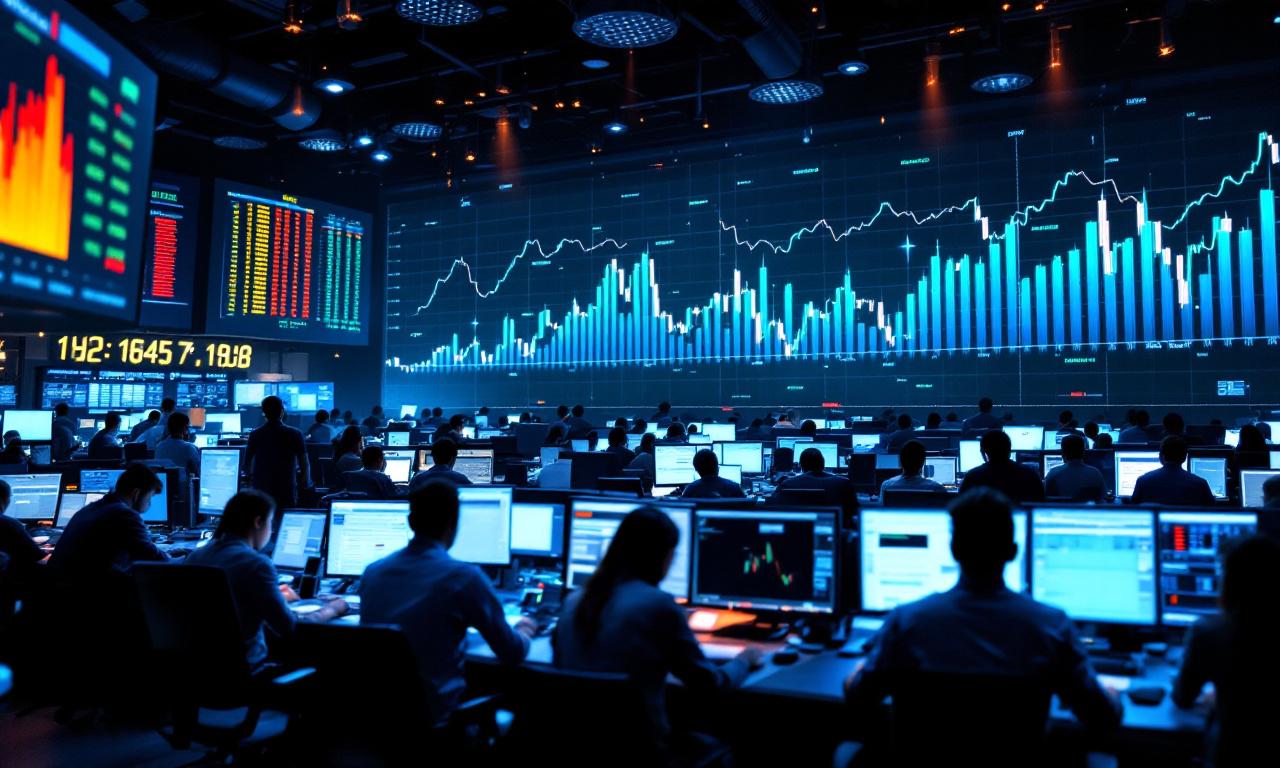
Learning the Basics of Algorithmic Trading
Getting into algorithmic trading feels like stepping into a new world. At its core, algorithmic trading is all about using computer programs to execute trades based on predefined criteria. These criteria can be based on various factors, like price movements, market trends, or economic indicators. It’s about creating a framework where trades happen automatically without the constant need for human intervention.
But how does one get started? First, it’s essential to understand the basics. Learning about algorithms is crucial. An algorithm simply is a sequence of steps you follow to accomplish a specific task. In trading, it involves setting rules for when to buy or sell stocks.
Next comes understanding signals. Signals tell you when to act based on the algorithm. These can be derived from technical analysis, which involves studying price charts and patterns. The aim is to identify potential opportunities in the market. Grasping these fundamentals lays a solid foundation for diving deeper into the more complex aspects of algorithmic trading.
Designing Algorithmic Trading Strategies
Designing an algorithmic trading strategy requires a blend of creativity and analytical thinking. The goal is to develop a plan that leads to consistent profitability. Start with brainstorming ideas based on market insights. What trends do you see? How do they align with economic events or news? Once you have a concept, backtesting becomes critical. This is the process of testing your strategy against historical data. It allows you to see how it would have performed in the past.
Optimization is another critical step. It involves tweaking your algorithm based on backtesting results. Here, you adjust parameters to enhance performance without overfitting. Overfitting occurs when a strategy is too tailored to historical data, which may not perform well in the future. Keep it simple, and avoid unnecessary complexities. A straightforward yet effective strategy often outperforms a convoluted one.
Recent Developments in Algorithmic Trading
The landscape of algorithmic trading is continually evolving. Recent developments have introduced more sophisticated technologies and methodologies that enhance trading efficiency. Machine learning is one of the most exciting innovations. This technology allows algorithms to learn from vast amounts of data. It adapts strategies to changing market conditions. As a result, traders can make data-driven decisions with higher accuracy.
Another significant trend is the rise of high-frequency trading (HFT). HFT uses powerful algorithms to execute thousands of trades in a fraction of a second. This approach capitalizes on minute price fluctuations. However, it requires advanced technology and robust infrastructure, making it accessible primarily to large firms.
Moreover, the integration of artificial intelligence into trading algorithms presents new opportunities. AI can analyze market sentiment from varied sources, such as social media and news articles. This adds an additional layer of depth to trading strategies. Staying updated with these advancements is crucial for anyone interested in algorithmic trading.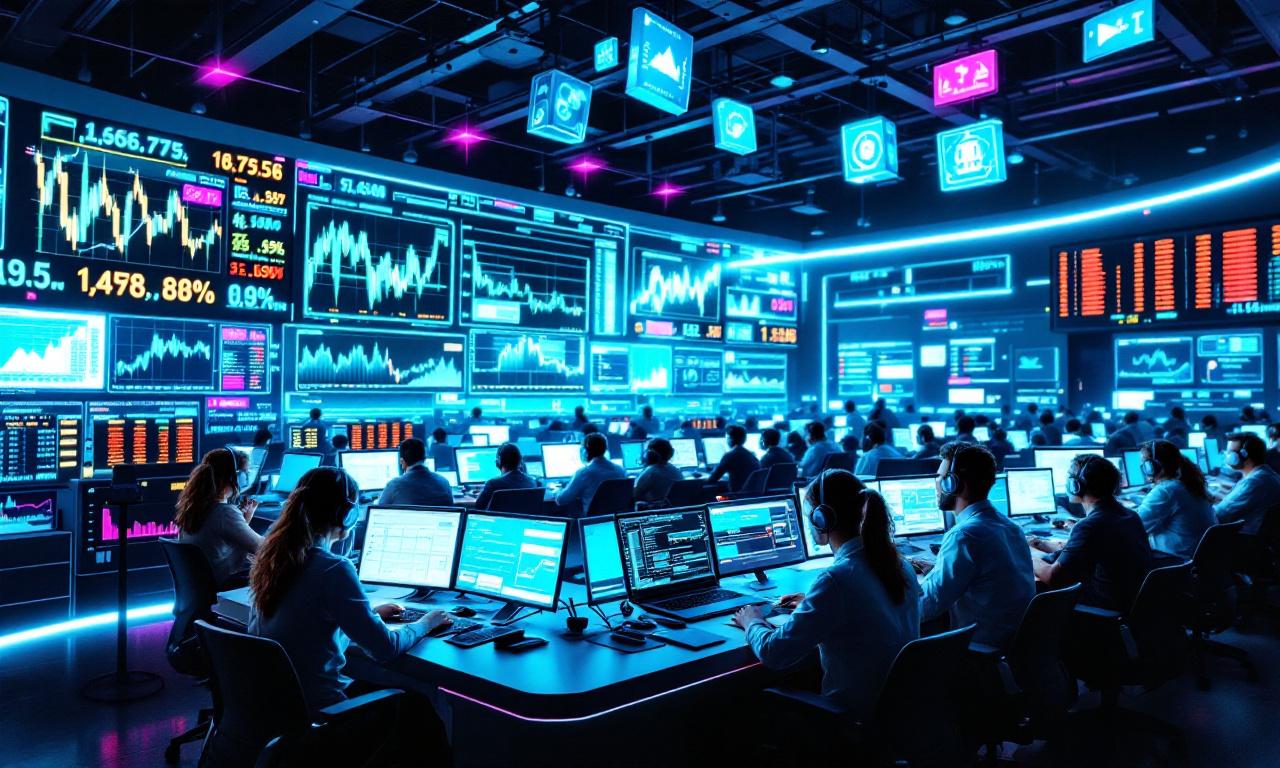
Future Trends in Automated Trading Systems
Automated trading systems are evolving rapidly. They are becoming smarter and more efficient. The integration of artificial intelligence (AI) and machine learning is at the forefront of these advancements. These technologies help in analyzing vast amounts of data quickly. They can adapt to changing market conditions in real-time. Traders are leveraging these capabilities to gain a competitive edge.
Another trend is the increasing use of cloud computing. It enables traders to access powerful resources without heavy upfront investments. This flexibility allows for testing and execution of complex algorithms from anywhere. Moreover, mobile trading platforms are gaining popularity. They offer easy access and real-time updates, allowing traders to react promptly.
Blockchain technology is also starting to make waves. It enhances transparency and security in transactions. This innovation can lead to more trust in automated systems. Additionally, as markets become more digitized, we can expect the rise of customized trading algorithms. Traders will be able to tailor algorithms based on specific needs or preferences.
Finally, regulatory frameworks are adapting to these advancements. Authorities are increasingly focusing on how algorithms affect market fairness and stability. This could lead to new rules and guidelines for automated trading. Staying updated on these regulations will be crucial for traders in this space.
Conclusion: The Future of Algorithmic Trading
Algorithmic trading is here to stay. Its influence on the financial markets will only grow. As technology continues to advance, traders must stay informed. Understanding new innovations is vital to remain competitive. The potential for improved efficiency, speed, and accuracy is immense.
Yet, we cannot ignore the risks involved. Algorithmic trading requires careful strategy development and risk management. The future will likely bring both exciting opportunities and challenges. Being adaptable and proactive in this environment will define successful traders.
In essence, the future of algorithmic trading promises to be dynamic. Embracing these changes will be essential. Automation is transforming the landscape, making it an exciting time for traders worldwide.